Charging Costs
Cost to Charge an Electric Car in Texas (2026 Calculator)
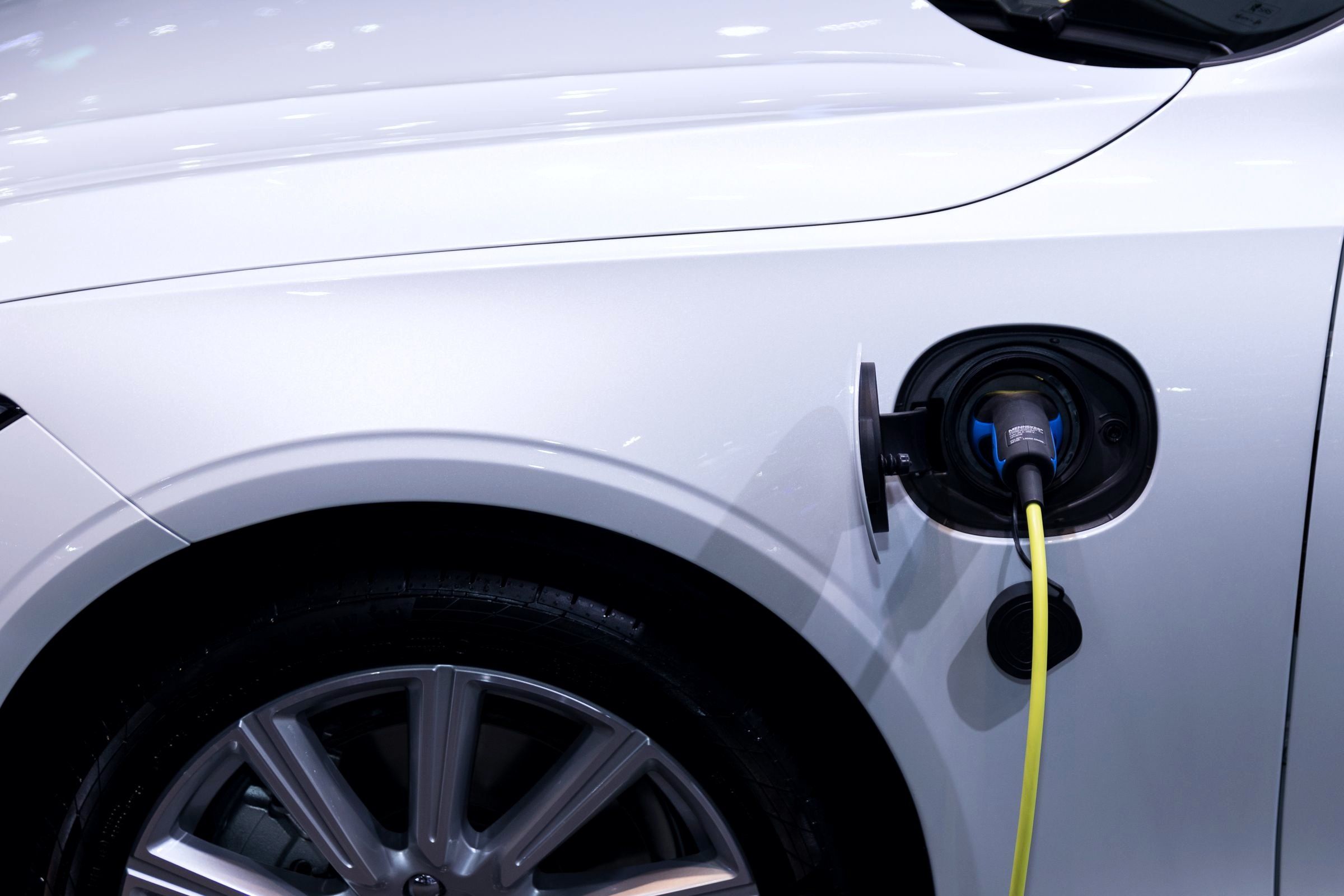
Charging Costs
How we research. We do not run a charger lab. Each guide is built from manufacturer datasheets, official utility, city and state pages, hands-on reviews from outlets that do test, and long-running owner threads — all linked in the sources list. We may earn a commission if you buy through links on this page. See our affiliate disclosure.
The cost to charge an electric car in Texas starts with one public number and ends with three private ones. The public number: Texas residential electricity averaged 15.91¢ per kWh in August 2026, according to the U.S. Energy Information Administration — 2.25¢ below the U.S. average of 18.16¢. The private ones are your plan’s energy charge, the delivery charge your plan may not waive, and what time your car actually charges.
| Price per kWh | Cost per 100 kWh | Cost per mile at 3.0 mi/kWh | at 3.5 mi/kWh | at 4.0 mi/kWh |
|---|---|---|---|---|
| 15.91¢ (Texas avg, Aug 2026) | $15.91 | 5.3¢ | 4.5¢ | 4.0¢ |
| 10¢ (example plan) | $10.00 | 3.3¢ | 2.9¢ | 2.5¢ |
| 6.9¢ (Oncor delivery only) | $6.90 | 2.3¢ | 2.0¢ | 1.7¢ |
Efficiency figures (miles per kWh) are examples — check your car’s trip computer, which knows your driving and climate-control habits. These figures are before charging losses.
In the deregulated parts of Texas, your bill has two halves: the retail provider’s energy charge and the wires company’s delivery (TDU) charge. Many free-nights plans zero out only the first half. TXU’s Free EV Nights, for example, takes 100% off energy charges from 10 p.m. to 4:59 a.m., and states that TDU charges, the base charge, and taxes still apply.
One independent analysis of plan fact labels put delivery at roughly:
| Delivery area | Covers | Per kWh |
|---|---|---|
| Oncor | Dallas-Fort Worth, Waco, Tyler, Midland-Odessa | 6.9¢ |
| CenterPoint | Houston area | 6.5¢ |
| AEP Texas Central | Corpus Christi, McAllen, Laredo, Victoria | 5.7¢ |
So a “free” overnight kWh on an energy-only plan still costs about 5.7¢–6.9¢. The exceptions in that analysis were Reliant free-hours plans whose fact labels set delivery to $0 during free hours — and recover it in the daytime price. Which plan wins depends on how much of your whole home’s usage lands in the free window. Details: Texas electricity plans for EV charging.
Austin (Austin Energy) and San Antonio (CPS Energy) are municipal utilities without retail choice; CPS customers can earn charging bill credits instead (see Texas EV charger rebates).
The same analysis modeled a Dallas-area household on Reliant Free Overnight: charging the car added $0 a month when the car was scheduled into the free hours, but $88 a month if it started charging as soon as it was plugged in at 6 p.m. In Houston the gap was $0 versus $87. Set a charging schedule in the car or charger app before switching plans — and if your charger’s Wi-Fi is unreliable, schedule from the car (see owner reports in our charger guide).
Texas charges EVs an extra $200 a year at registration renewal ($400 for a new EV’s first two-year registration). Spread over 12,000 miles, that is about 1.7¢ per mile on top of electricity. Our Texas EV registration fee guide compares it with the gas tax a similar gas car pays.
At EIA's August 2026 Texas residential average of 15.91 cents per kWh, every 100 kWh delivered to the car costs about $15.91. For a car that goes 3.5 miles per kWh, that is about 4.5 cents per mile before charging losses. Free-nights plans can lower the energy part, but delivery charges often still apply.
Yes. In August 2026 the Texas residential average was 15.91 cents per kWh versus a U.S. average of 18.16 cents, according to EIA data.
Not always. Many free-nights plans waive only the energy charge; the transmission and distribution (TDU) delivery charge and base charge still apply. A third-party analysis put Oncor's delivery charge at about 6.9 cents per kWh and CenterPoint's at about 6.5 cents. Some Reliant free-hours plans set delivery to $0 during free hours and recover it in daytime prices.
The Off-Peak Brief
Rebate funding changes, new free-nights plans, permit rule updates, and the occasional charger worth a look. One email a month. Unsubscribe anytime.
Signups are not open yet. If you would like a note when the list launches, email hello@evchargerstexas.com.
A one-page worksheet: panel capacity, circuit size, plug-in vs. hardwired, permit questions for your city, and the utility programs to enroll in.
The checklist will be included when the list opens.